
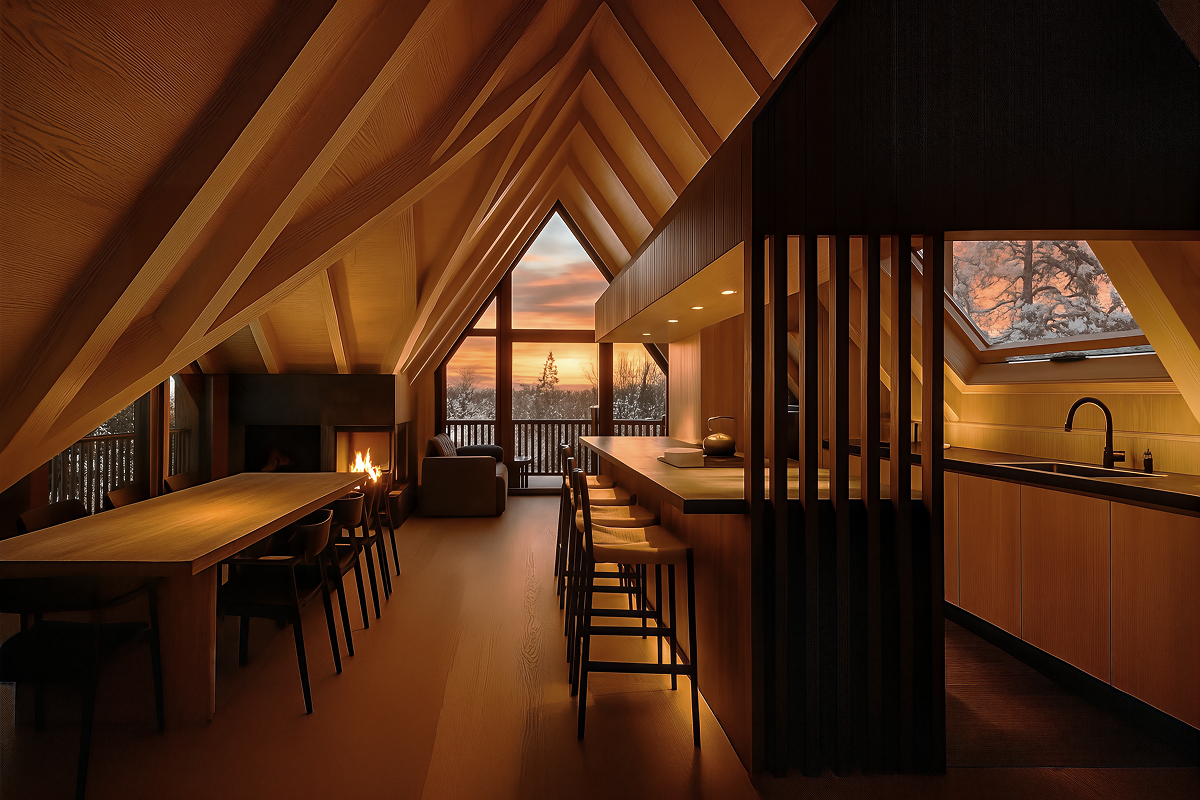
 Explore blog articles

copropiedad · 8 January 2026 – vivla
¿Qué es la copropiedad de una casa? El modelo ideal para comprar una residencia de vacaciones
El concepto de la copropiedad ha ganado peso en los últimos años en España, aunque todavía son muchos quienes tienen dudas acerca de esta fórmula.
Efectivamente, la copropiedad de una casa es una solución cada vez más popular para aquellos que desean ser dueños de un espacio vacacional sin tener que asumir todos los gastos ni la carga de una vivienda completa.
Si tú también te preguntas qué es la copropiedad de una casa, y cómo puede hacer realidad tu sueño de tener una propiedad en tu destino vacacional por excelencia, en Vivla te lo contamos todo en este artículo.
El funcionamiento de la copropiedad de una casa es más sencillo de lo que parece.
Imagina que deseas tener una casa de vacaciones en destinos idílicos como Formentera, Menorca o Baqueira, pero no puedes permitirte el precio de compra íntegra.
Con la copropiedad, puedes acceder a una parte de esa propiedad, disfrutando de todos los beneficios sin tener que pagar por la totalidad de la casa.
- Compra de una parte de la propiedad: en lugar de comprar toda la casa, compras solo una proporción de la misma. Por ejemplo, puedes adquirir 1/8 de la propiedad, lo que te da derecho a disfrutar de la casa durante seis semanas al año.
- Sistema de reservas y calendario compartido: aunque la propiedad se comparte entre varios copropietarios, cada uno tiene derecho a reservar y disfrutar de la casa durante sus semanas correspondientes. El sistema de reservas es flexible y se organiza de manera que todos los copropietarios tengan acceso equitativo a las mejores fechas.
- Mantenimiento y gestión compartidos: una de las mayores ventajas de la copropiedad es que no tienes que encargarte del mantenimiento de la casa. Los gastos de mantenimiento, reparación y limpieza se comparten entre los copropietarios, lo que significa que no tendrás que preocuparte por cuestiones logísticas o imprevistos cuando no estés en la casa.
- Propiedad legal compartida y derechos de reventa: a diferencia de otros modelos de propiedad compartida, como los timeshares, donde no eres dueño de la propiedad, en la copropiedad eres propietario legal de una parte de la vivienda. Esto significa que tienes derechos de uso y, además, si algún día decides vender tu parte, puedes hacerlo.
Es común confundirse entre los términos copropiedad y multipropiedad, ya que ambos implican compartir una propiedad. Pero en realidad son modelos muy diferentes, como vemos ahora.
1. Propiedad real vs. derecho de uso
La copropiedad implica que cada copropietario posee una parte de la propiedad. Eres dueño de una parte real y tangible del inmueble, y, por tanto, tienes la posibilidad de vender, transferir o heredar tu parte cuando desees.
En cambio, en el modelo de multipropiedad (o timeshare), lo que compras es un derecho de uso temporal durante ciertas semanas al año, pero no eres propietario de la propiedad en sí misma. El derecho de uso generalmente no se puede transferir, vender ni heredar, lo que lo convierte en una opción más limitada y sin la posibilidad de revalorización.
2. Flexibilidad y control sobre la propiedad
La copropiedad te da más flexibilidad y control sobre la propiedad, ya que eres copropietario y, como tal, puedes participar en decisiones importantes sobre ella, como reparaciones o mejoras, si así lo deseas.
Por otro lado, en la multipropiedad, el control y la toma de decisiones sobre la propiedad suelen estar en manos de la empresa que gestiona el sistema. Así, los propietarios solo tienen acceso a su tiempo asignado y no pueden hacer modificaciones ni intercambiar sus semanas con libertad.
3. Costes y responsabilidades compartidas
En la copropiedad, todos los gastos asociados con la propiedad —mantenimiento, limpieza, impuestos, reparaciones— se comparten entre los copropietarios según la parte que poseen. Esto hace que los costes sean mucho más accesibles que si tuvieras que asumirlos por completo.
En el caso de la multipropiedad, aunque también compartes algunos gastos de mantenimiento y gestión, los costes de adquisición y las tarifas anuales no siempre están claramente definidos, y pueden incrementarse con el tiempo sin que los propietarios tengan mucha capacidad de negociación o control.
Ahora que ya sabes qué es una copropiedad, y que es la opción idónea para adquirir una segunda vivienda, solo te queda una cosa: hacerlo con Vivla.
En Vivla estamos especializados en ofrecer propiedades de lujo en los destinos más exclusivos de España, con el modelo de copropiedad.
Si siempre has soñado con tener una casa en Formentera, Menorca, Ibiza, Baqueira o la Costa del Sol, lugares en los que crear recuerdos con tu familia año tras año, con Vivla tienes la oportunidad de hacerlo realidad.
¿Por qué elegir la copropiedad de Vivla?
- Propiedad real: eres propietario de una proporción de una casa de lujo en destinos exclusivos.
- Gestión integral: en Vivla nos encargamos del mantenimiento, limpieza y gestión, para que solo te preocupes de disfrutar.
- Flexibilidad: accedes a tu propiedad durante las mejores fechas vacacionales, con un sistema de reservas optimizado.
- Acceso a destinos premium: vives la experiencia única de tener una casa de lujo en destinos exclusivos de España.
- Revalorización de la inversión: la propiedad se revaloriza con el tiempo, por lo que, si decides vender tu parte con el tiempo, obtendrás una altísima rentabilidad.
El sueño de tu vida te espera aquí, en una de nuestras casas de lujo en copropiedad.
vivla co-ownership
Real ownership, a fraction of the cost
VIVLA offers managed co-ownership of luxury second homes across Spain — Mallorca, Ibiza, Menorca, Baqueira and many more. You own a registered share with a real title deed, not a use right, and VIVLA handles the purchase, the legal structure and year-round maintenance. It's the rational choice when you'll use the house a few weeks a year rather than the whole season.