 Explore blog articles

copropiedad · 7 July 2022 – vivla
What is fractional ownership?
The traditional concept of ownership has given way to new, redefined models of owning assets. The strong development of a sharing economy and the need for flexibility — paying for what we really need, not for what we rarely use — make fractional ownership a very sensible option.
Ownership has existed since the beginning of humankind. Ever since the first group of humans set foot on Earth, they felt in possession of homes, food, pets, fire, you name it. It's just a basic instinct. With time, homes became one of the most important assets: they provided safety and a sense of attainment.
In recent years, the old concept of ownership has evolved into new models — one of them being fractional ownership. Also known as co-owning or shared ownership, it offers a more flexible alternative to having and enjoying assets, especially those that are not essential but can provide a better quality of life and make us feel more fulfilled.
Let us talk to you about how the concept of ownership has evolved, how the sharing economy has influenced it, the basic idea behind fractional ownership, and what alternatives fractional home ownership offers to people who really want to buy a second home but don't see full purchase as a cost-effective option yet.
The long-standing idea of possession
Beyond our long history of possession, the sense of ownership has been evolving through generations. Our parents bought homes and landed jobs thinking they would last forever. It topped their sense of accomplishment. But the world we live in is not the same anymore. We are not so worried about full ownership anymore.
We are more aware now that resources cannot last forever, so we need to live with the idea of using just what we need — or at least we hope to have learned that along the way. For those of us who think about sustainability as well as profitability, the idea of owning just the part we actually need of something, instead of the full asset, is very appealing. That's when the concept of fractional ownership really kicks in.
Our lifestyle has become more nomadic through the decades, which means our sense of possession and attainment is a lot less rooted and more versatile than for previous generations. Many of us aspire to own whatever makes us happy at a particular moment in life, knowing the feeling or need will not last forever. For many people today, a home is a vehicle that facilitates the lifestyle you are seeking at a particular moment in time — not a limitation or an anchor to a place or way of living you can't come out from. Property is a means, not the ultimate goal.
Fractional ownership goes along those lines. It helps people detach from the old sense of possession and perceive ownership as a way of facilitating the flexibility we need, while providing the lifestyle we look for.
Get the basics of fractional ownership
The concept of fractional ownership is simple: you take an asset — let's say a home — divide it into different parts, and sell them individually to a group of people. Usually this is done through a previously established legal structure (an SL in Spain, an LLC in the U.S.), which makes it a lot tidier.
To keep things in order, you set some basic rules for ownership: the amount of use each party gets, a common fund for costs, the upkeep of the asset, and any other benefits or obligations that come with it.
Other types of fractional ownership extend to a full list of luxury assets like art, yachts or expensive cars. It allows buyers to expand their patrimony while diversifying it, minimising risks and maintenance costs. Essentially, it is a different mentality on owning things — smart and cost-effective by design.
Fractional ownership is often confused with timeshares. The latter became popular in the 80s and 90s in the U.S. but their popularity came down after the initial craze. What you owned in a timeshare was never meant to be the property itself, but the time you could spend in somebody else's place (usually owned by resorts or big travel groups). Without real ownership, selling became very challenging — and it did.
The economy of sharing
Have you ever been an emotional buyer? You felt down or stressed and ran to your favourite shop for a spree, only to find out the initial happiness was actually temporary. Spending money and the feeling of having things doesn't really cut it beyond some basics.
Resources are becoming more limited, and some parts of the world are getting too crowded or exploited. Even the Himalayan mountains have become too packed.
Excessively owning things for the sake of feeling accomplished has led to a more conscious way of owning and a different consuming economy. The voice in our head that used to say "I want it" now says "do I really need it?".
According to Forbes, fractional ownership is a leading factor in the development of a sharing economy and worth keeping an eye on.
The difficult pandemic years helped develop other human instincts: sharing, living simpler, more fulfilling lives. We realised we don't need so many things to be happy. At least not those that money can buy. We have also become financially wiser and, in the search for simplicity, many of us have realised we want to avoid big financial burdens. We prefer to own less but use it fully, without paying full price for it.
Fractional ownership for second homes
When it comes to vacation homes, fractional home ownership makes even more sense. Why would you fully own a place, pay all its maintenance costs and repairs, and deal with financing it, when you know you will use it just a few weeks a year?
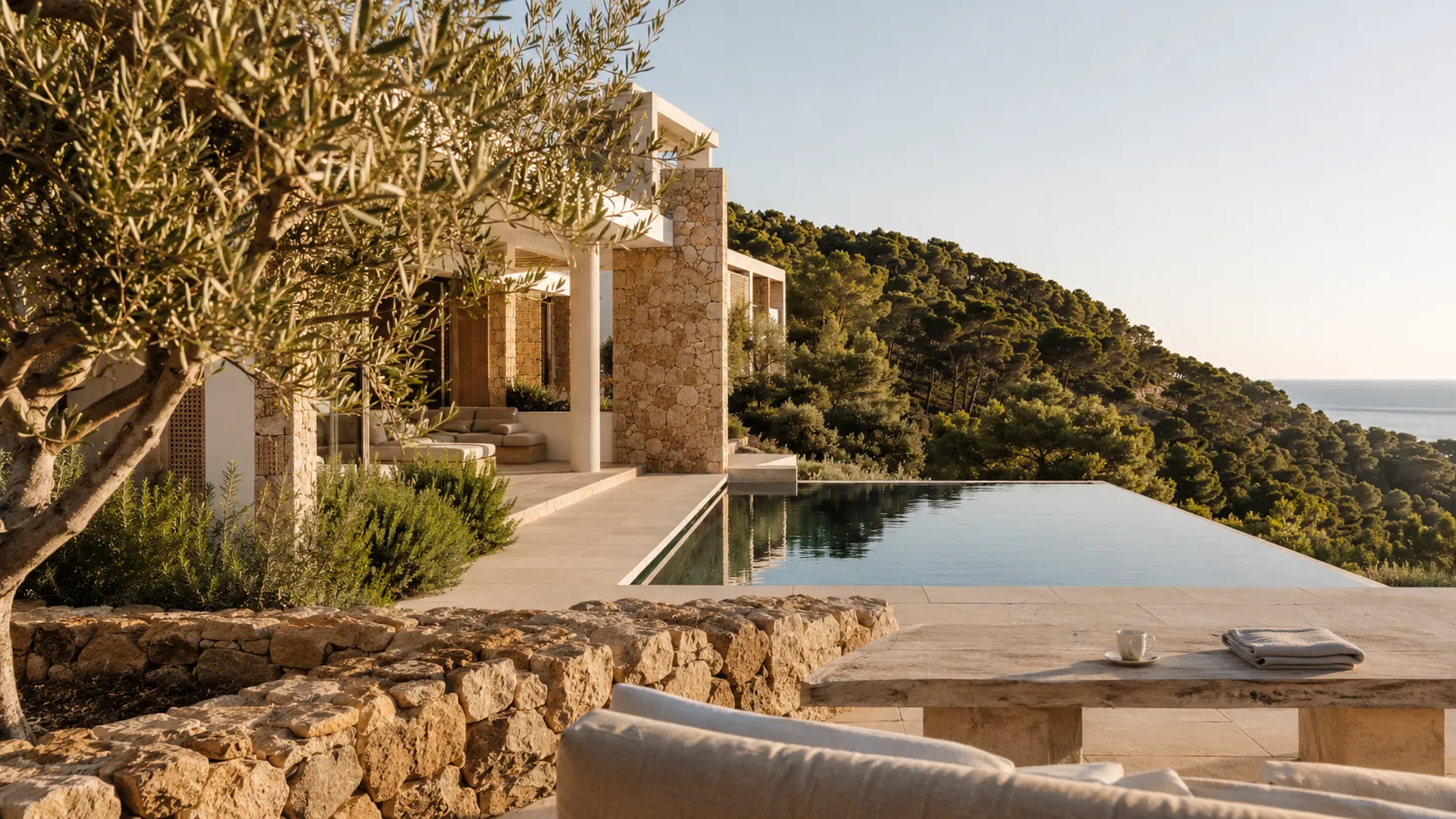
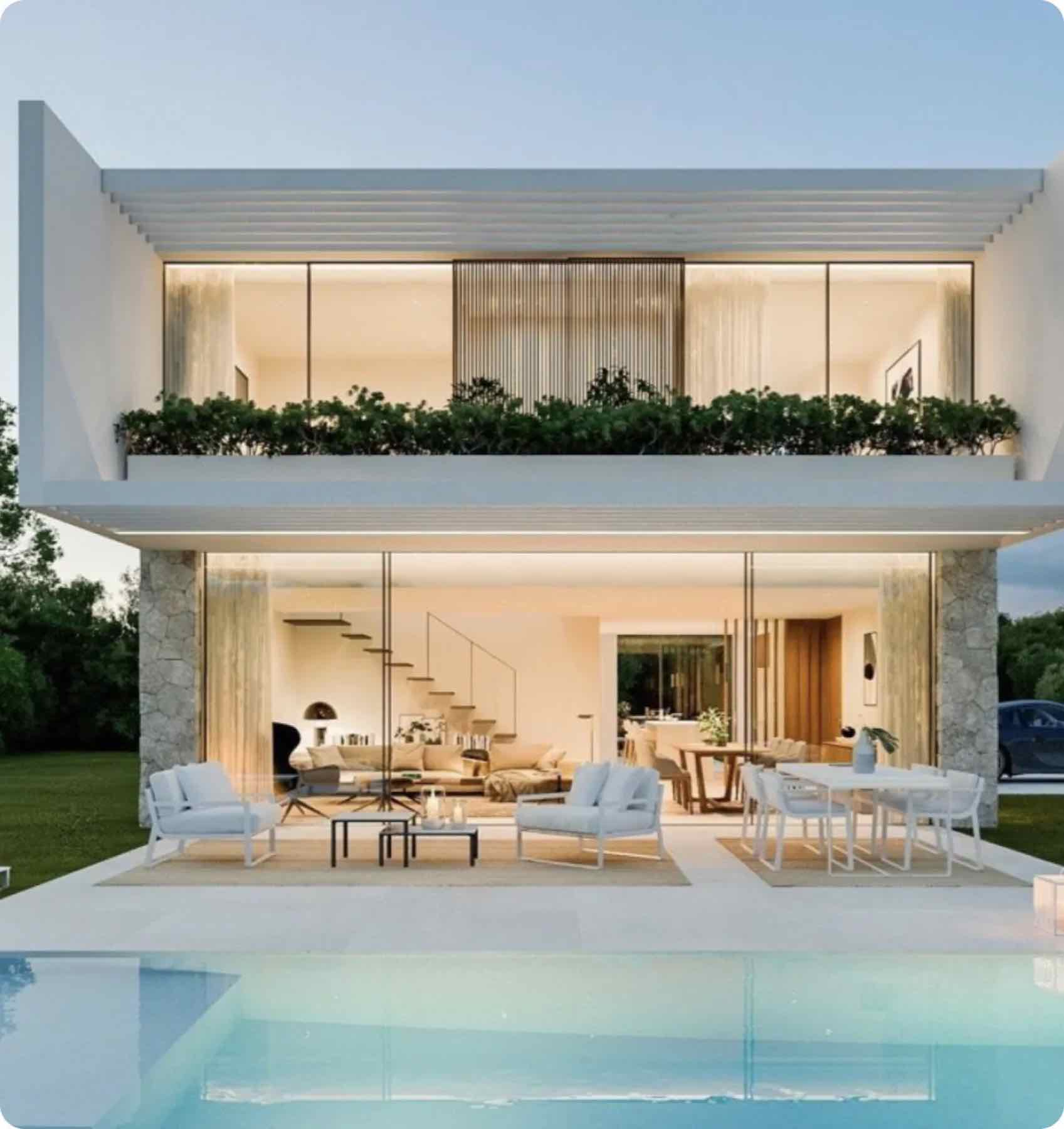
At VIVLA, buying a home means being the happy owner of a spectacular getaway spot in some of Spain and Europe's most amazing destinations. You can own a minimum of ⅛ of a property and enjoy approximately 6 weeks of vacation a year, with the option to go up to ¼.
VIVLA also manages the details of the purchase and sale process and handles all aspects of home maintenance and upkeep. You pay a fair monthly fee for all the management work and get services like storage, personal setup of your belongings, smart home technology and great amenities.
If you think owning in a smart and flexible way is a sound option for you, let's start a conversation about our ownership model, its benefits, and how you can improve your quality of living. Visit vivla.com or talk to one of our experts. In the meantime, feel free to read our FAQs to resolve any doubts.
vivla co-ownership
Real ownership, a fraction of the cost
VIVLA offers managed co-ownership of luxury second homes across Spain — Mallorca, Ibiza, Menorca, Baqueira and many more. You own a registered share with a real title deed, not a use right, and VIVLA handles the purchase, the legal structure and year-round maintenance. It's the rational choice when you'll use the house a few weeks a year rather than the whole season.