 Explore blog articles


20 October 2026 – vivla
Buying a Home in Jávea and Dénia: A Costa Blanca North Guide
Jávea and Dénia, on the northern Costa Blanca, share the Montgó but are lived in very differently. Jávea means a villa with a garden on an urbanisation among the pines, and it calls for a car. Dénia is a town with a port and a ferry to Ibiza, where in January you walk down for your bread. In September 2026, a square metre went for 4,166 € in Jávea and 3,354 € in Dénia, according to idealista.
Jávea or Dénia? It depends on when you'll use the house
For July and the odd long weekend, Jávea. If you also want to go in November and February, Dénia.
Jávea (Xàbia) is organised around three centres: the old town, the port and the Arenal. Between them spreads a ring of urbanisations, villas with pools that in November still hold on to the people who genuinely live there. There are plenty of them. The municipality had 30,642 registered residents on 1 January 2025, around 6,000 of them British, according to INE figures gathered by javea.com. What almost no villa has is a centre you can walk to.
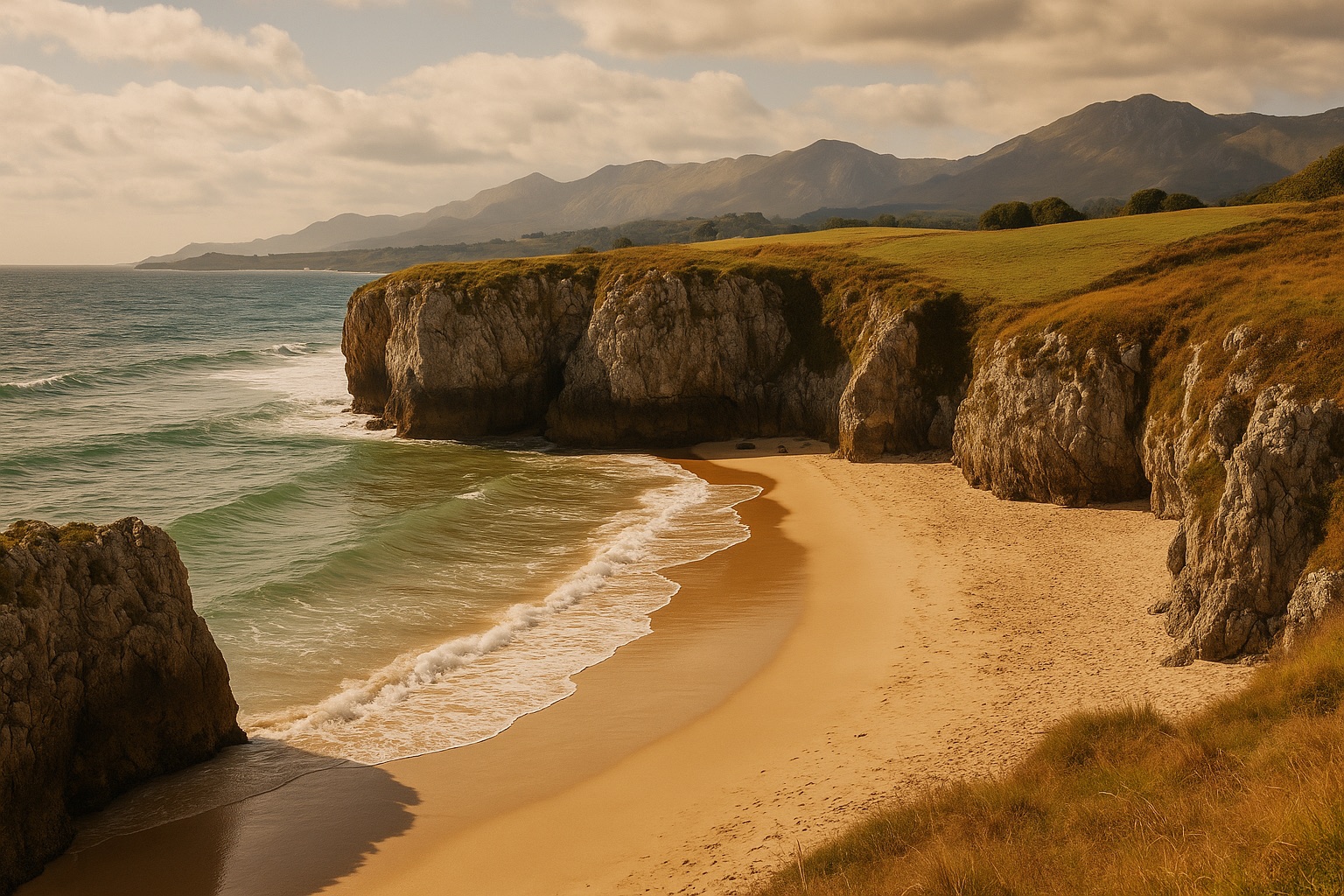
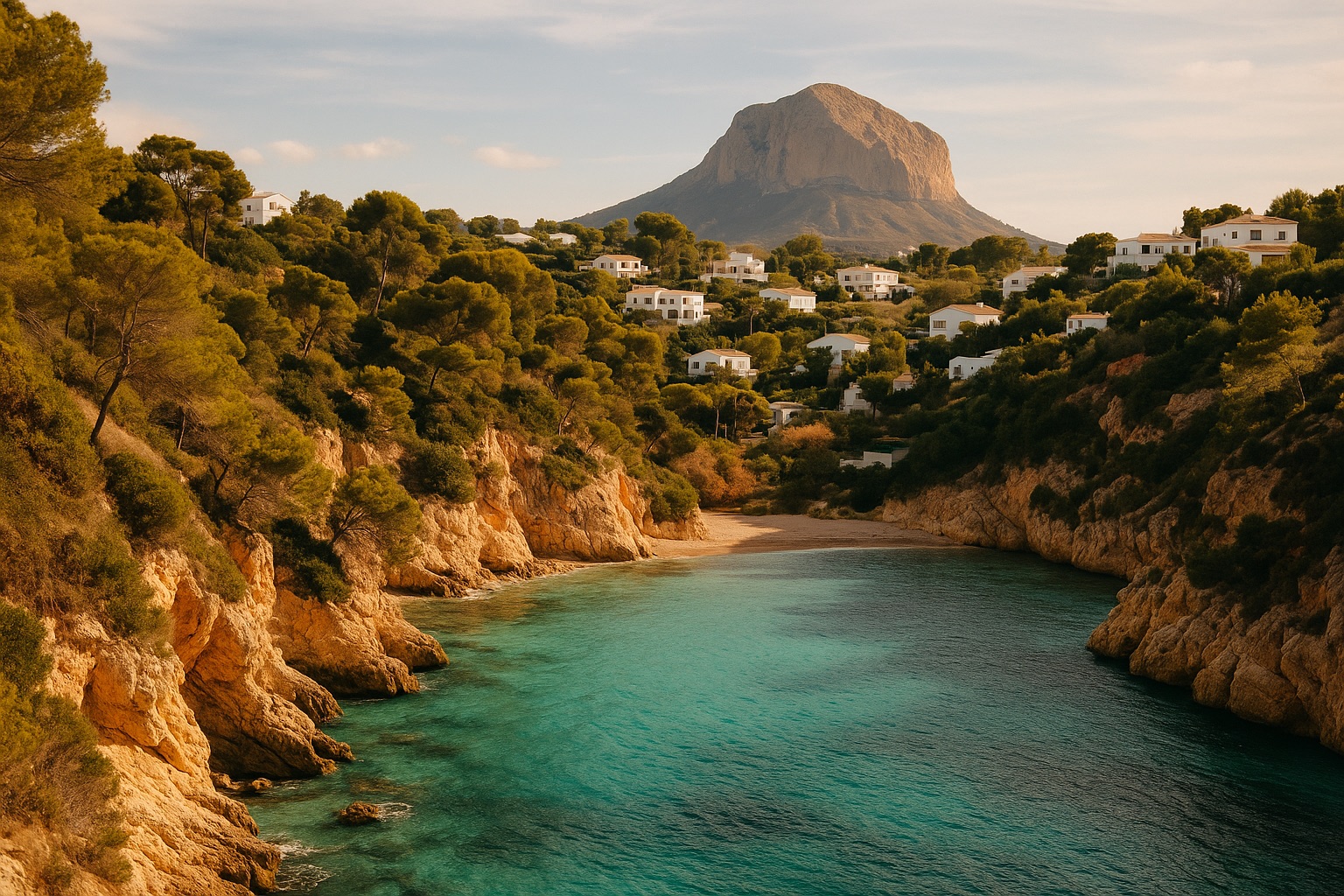
Dénia works as a proper town. It has a district hospital and shops that don't pull down the shutters in October, and people who buy here are usually after exactly that: nipping out for coffee or fish without taking the car. Between the two rises the Montgó, 753 metres high and a natural park since 1987 (Generalitat Valenciana). It acts as a border. To the north the beach is flat; to the south the cliffs and coves begin.
Where to have your house in Jávea
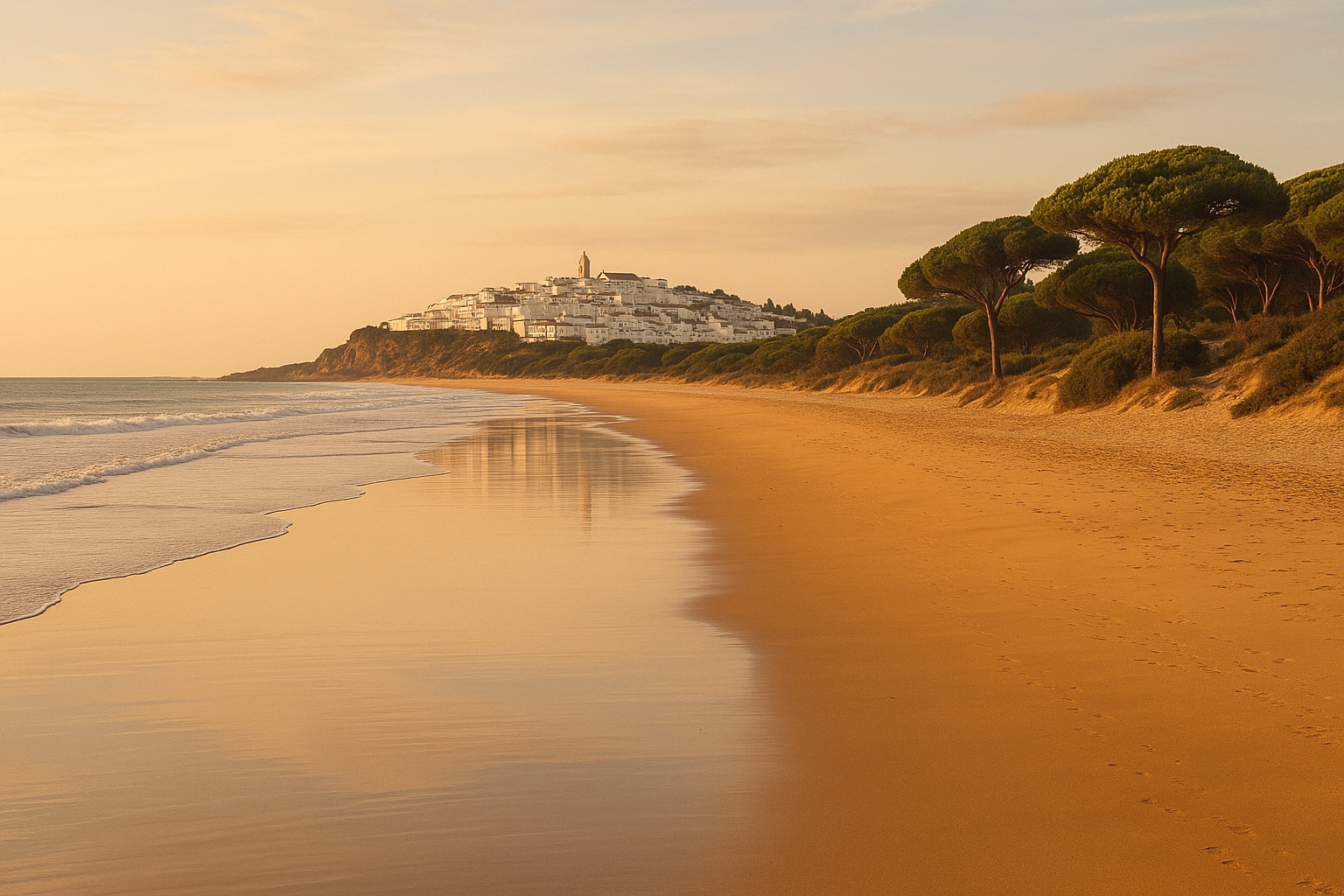
In Jávea the urbanisation counts for more than the square metres. Each area has its own beach and its own way of spending the day, and for El Tosalet and Cap Martí that beach is the Arenal, the town's sandy urban beach. These are established urbanisations of villas with gardens and pines, where almost everything that comes up for sale is already built, and they suit anyone who wants sand for the children in the morning and a stroll past café terraces as the light goes.
Cap Martí is steeper. It also puts more sea in the window.
Balcón al Mar and Portitxol sit on the clifftop, next to Cabo de la Nao, with Portitxol island just offshore. Their narrow streets never stop climbing. La Barraca cove lies directly below. You drive down.
It is the most expensive part of the municipality, because what you are paying for is the view.
La Granadella, at the southern tip, has pine woods and a cove of its own. It is the most secluded. Adsubia, inland, suits those who would rather pay less and drive a little further to the water. Then there is the old town. This is the Jávea of the Saturday shop, even if the house is some way off, because it is home to the Mercat Municipal, built in 1946 on the site of the convent of the Agustinas Descalzas, with salt-cured fish, cheeses, honey, mistela and fish from the lonja, the local fish market (Comunitat Valenciana).
Dénia by area: sand to the north, rock to the south
In Dénia the type of beach decides almost everything.
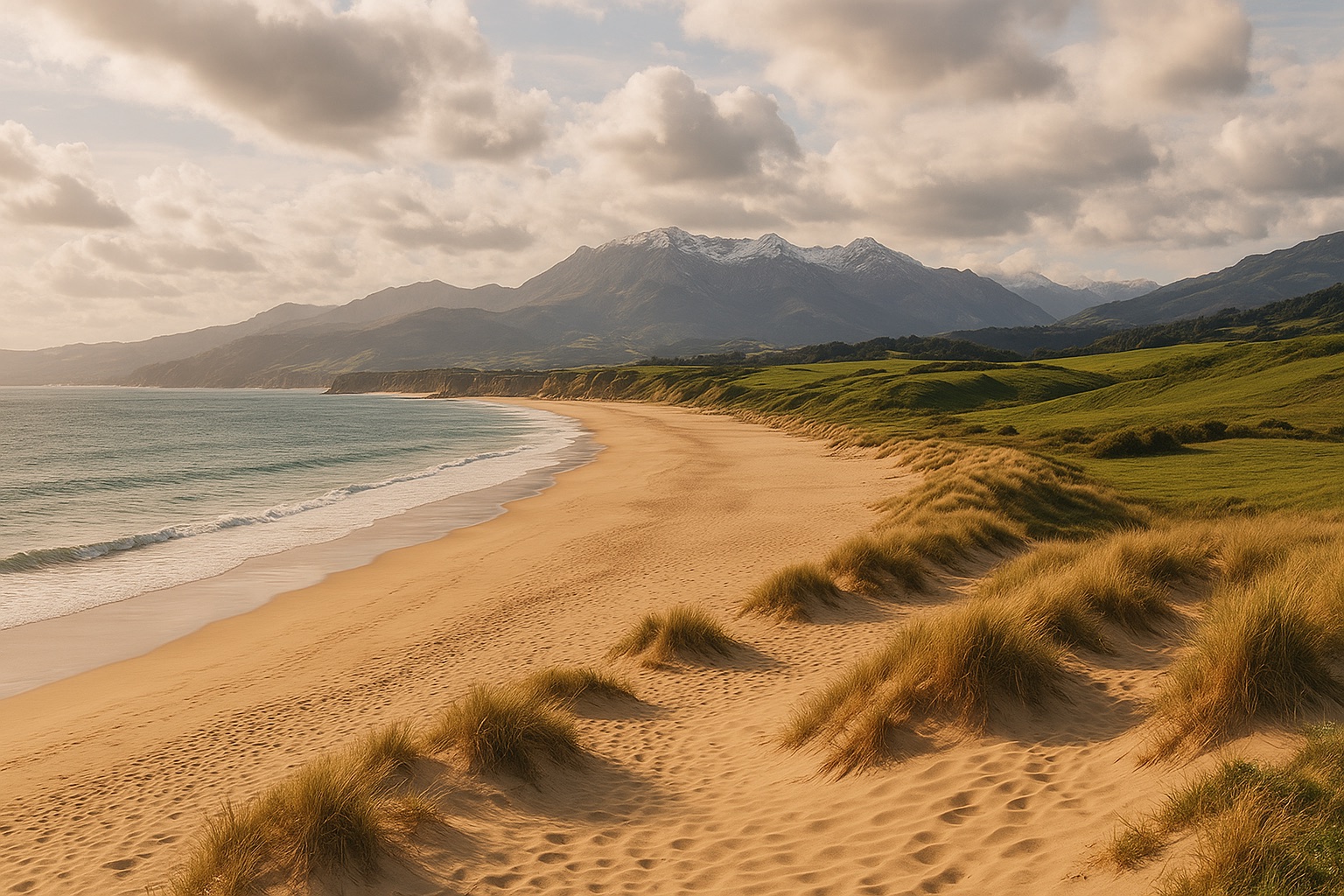
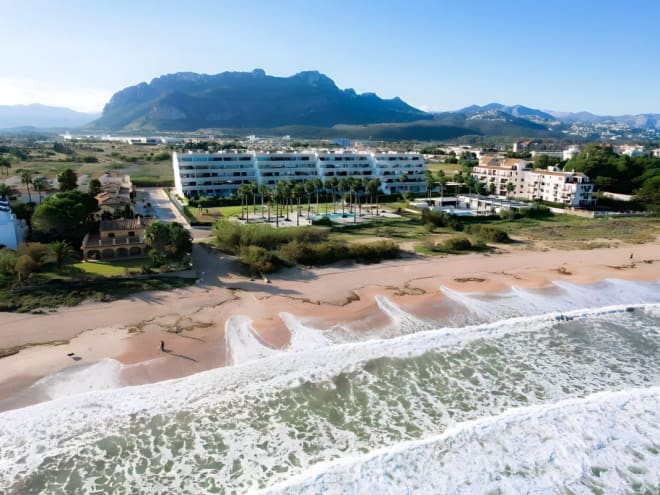
Les Marines is the strip of sand running north from the port, with the Montgó at its back: wide, flat beaches, with a pebbly stretch at l'Almadrava (denia.net). There are frontline apartments, with villas behind them. You walk to the beach.
Les Deveses takes up the northern end of the municipality, far from the centre, and this is where you find frontline complexes with large communal grounds, such as Almare. For the market, it's the car. Les Rotes, south of the port, is the opposite. It is all rocky coves beside the Cabo de San Antonio marine reserve, with villas right on the water. You swim off the rocks, with a mask.
Anyone looking for a villa with a plot ends up on the slopes of the Montgó, and those who want town life choose the centre or El Saladar, near the port. These are also the cheapest areas of Dénia.
A Saturday in October in the Marina Alta
October is a good month to find out whether the Marina Alta suits you.
Jávea and Dénia have no climate records of their own, so the reference is Alicante, where the average maximum in October is 24.9 °C and there are 217 hours of sunshine, according to AEMET data (averages for 1981 to 2010). Meals are eaten outdoors.
The morning is for the market. In Dénia the gamba roja, the red prawn, reigns. After it come arroz a banda, suquet de peix, dried octopus and cocas (Comunitat Valenciana). If the stay runs on to Monday, there is another plan. On weekdays the boats come into Dénia from four in the afternoon. At five the auction for trade buyers begins at the lonja, and you can watch as an observer with permission from the fishermen's guild (denia.net).
Dénia has been a UNESCO Creative City of Gastronomy since 11 December 2015 (denia.net).
Autumn has its trade-off. In Alicante, according to AEMET, September is the wettest month, with 56 mm, followed by October with 47 mm. It rains on few days, but when it rains, it pours. In January maximum temperatures fall to 17.0 °C. Dénia carries on as a working town and Jávea keeps its thousands of residents; where the pace drops is in the urbanisations, which in winter have far fewer lit windows.
How to get to Jávea and Dénia
Dénia is an hour and a quarter from Valencia on the AP-7 to exit 608, and a little over an hour from Alicante. Alicante-Elche airport is about 100 kilometres from Dénia, and you should allow between an hour and an hour and a half depending on traffic (denia.net). From Madrid it is around four and a half hours. Dénia also has boats. Baleària ferries leave its ferry terminal for Formentera and for Ibiza, which the fast boat reaches in about two and a quarter hours. With a house here, Ibiza is a morning's crossing away; the Ibiza guide for buyers covers the other end of the journey.
Once you are there, in Dénia you can spend the week on foot from Les Marines or the centre; in Jávea, from any urbanisation, you need a car.
VIVLA homes in Jávea and Dénia
VIVLA has three homes on the northern Costa Blanca, each divided into eight shares that give six weeks a year. Casa Tosalet, in Jávea, has four bedrooms, a private pool and views of the Montgó and the sea. Casa Deveses is a four-bedroom penthouse in the Almare complex, on Dénia's seafront.
Both are sold out, with a waiting list (VIVLA listings, 19 October 2026).
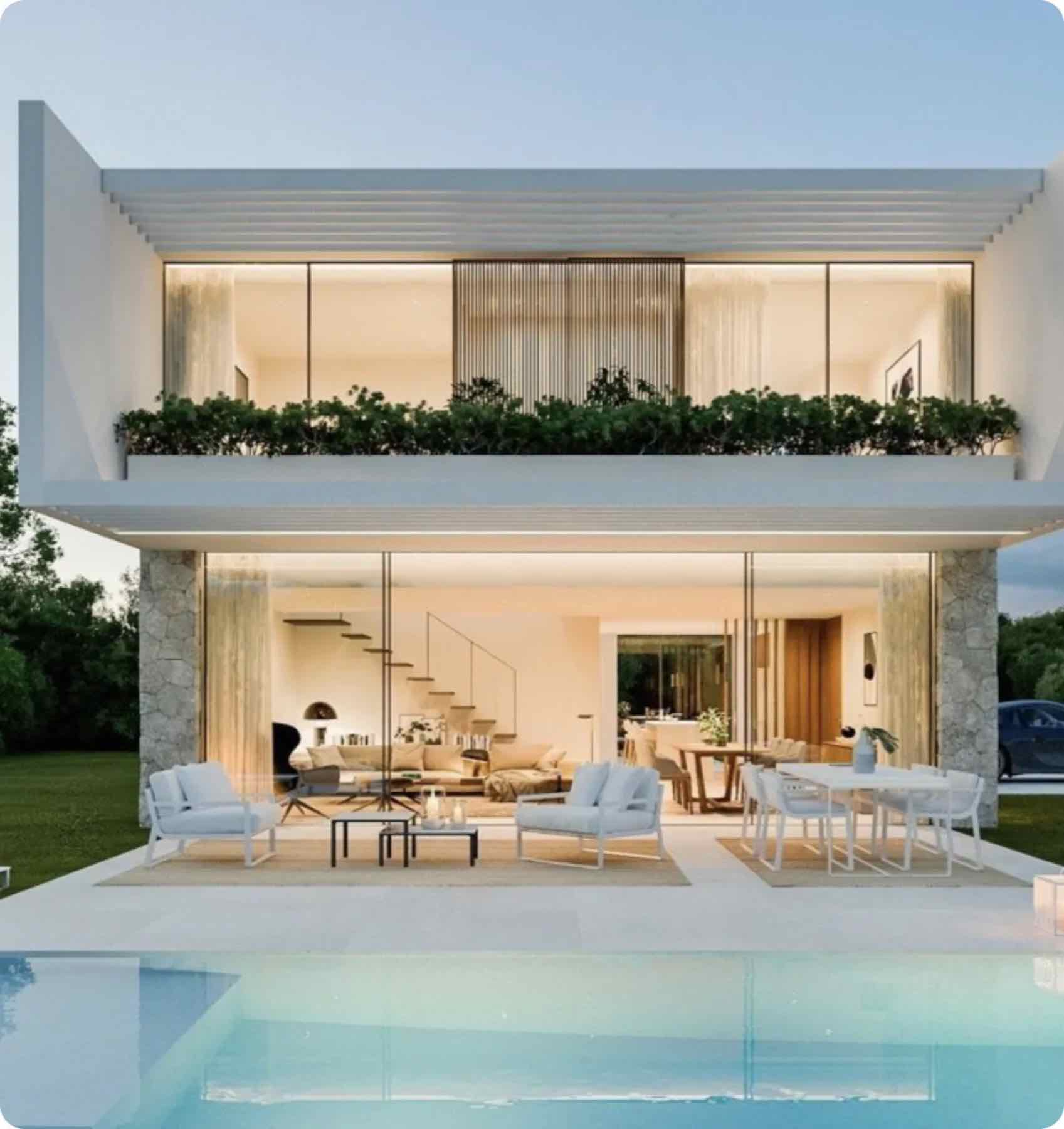
Casa Almara, however, is for sale. It is a new-build ground-floor home, still under construction, in L'Almadrava-L'Estanyó, in Les Marines, with three bedrooms, a private garden and two communal pools. A 1/8 share costs 155,000 €. All three are on the Costa Blanca page.
VIVLA in Jávea and Dénia
The Marina Alta, co-owned.
Real homes in Jávea and Dénia, with title deeds. Every share is one eighth and carries six weeks a year.
→ Swipe to explore

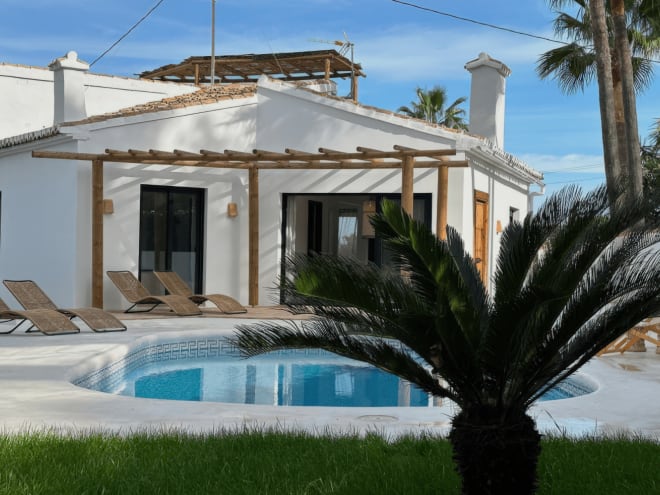
Shares shown are 1/8, each with 6 weeks a year. Prices and status as published on each home page on 21 October 2026 and subject to change; check the listing for current availability.
Frequently asked questions
Which is better for a second home, Jávea or Dénia?
Jávea, if you want a villa with a garden to use mainly in the holidays. Dénia, if you also want to go out of season: it is a town with a beach you can walk to from Les Marines and the Ibiza ferry in the port. In return, Jávea offers more pine woods and more privacy, and costs more per metre (4,166 versus 3,354 €/m², idealista, September 2026).
What is Jávea like in winter?
Mild and sunny. AEMET's Alicante station records average maximums of 17.0 °C in January and about four days of rain a month. The town doesn't close, because it has more than 30,000 registered residents and a foreign community that lives there all year. What empties are the second-home urbanisations.
How long does it take from Alicante airport to Dénia?
Between an hour and an hour and a half by car, depending on traffic, on the AP-7 to exit 608 (denia.net). Jávea takes about the same. The N-332, along the coast, is slower. Without your own car, the practical option is to hire one at the airport, especially if the house is on an urbanisation.
Can you have a home on the northern Costa Blanca without buying the whole property?
Yes. With VIVLA you buy a 1/8 share of the house, with a title deed and six weeks a year. In October 2026 the only one available in the area is Casa Almara, in Dénia, at 155,000 € per eighth. The model is explained in what home co-ownership is.
vivla co-ownership
Real ownership, a fraction of the cost
VIVLA offers managed co-ownership of luxury second homes across Spain — Mallorca, Ibiza, Menorca, Baqueira and many more. You own a registered share with a real title deed, not a use right, and VIVLA handles the purchase, the legal structure and year-round maintenance. It's the rational choice when you'll use the house a few weeks a year rather than the whole season.