 Explore blog articles

destinos · 21 June 2023 – vivla
Best beaches in Formentera
If you've ever seen a photo of turquoise water in Europe and assumed it was Photoshopped, you might have been looking at Formentera. The southernmost of the Balearic Islands has water clarity that genuinely competes with the Caribbean — the result of a Posidonia oceanica seagrass meadow, declared a UNESCO World Heritage Site, that filters and oxygenates the surrounding sea to a transparency unique in the Mediterranean.
The island is small (just 19 km long) and the beaches are accessible by bike, scooter or short drive. Below are the ones to prioritise — from the postcard classics to the quieter coves that locals still hold close.
Ses Illetes — the most photographed beach in Spain
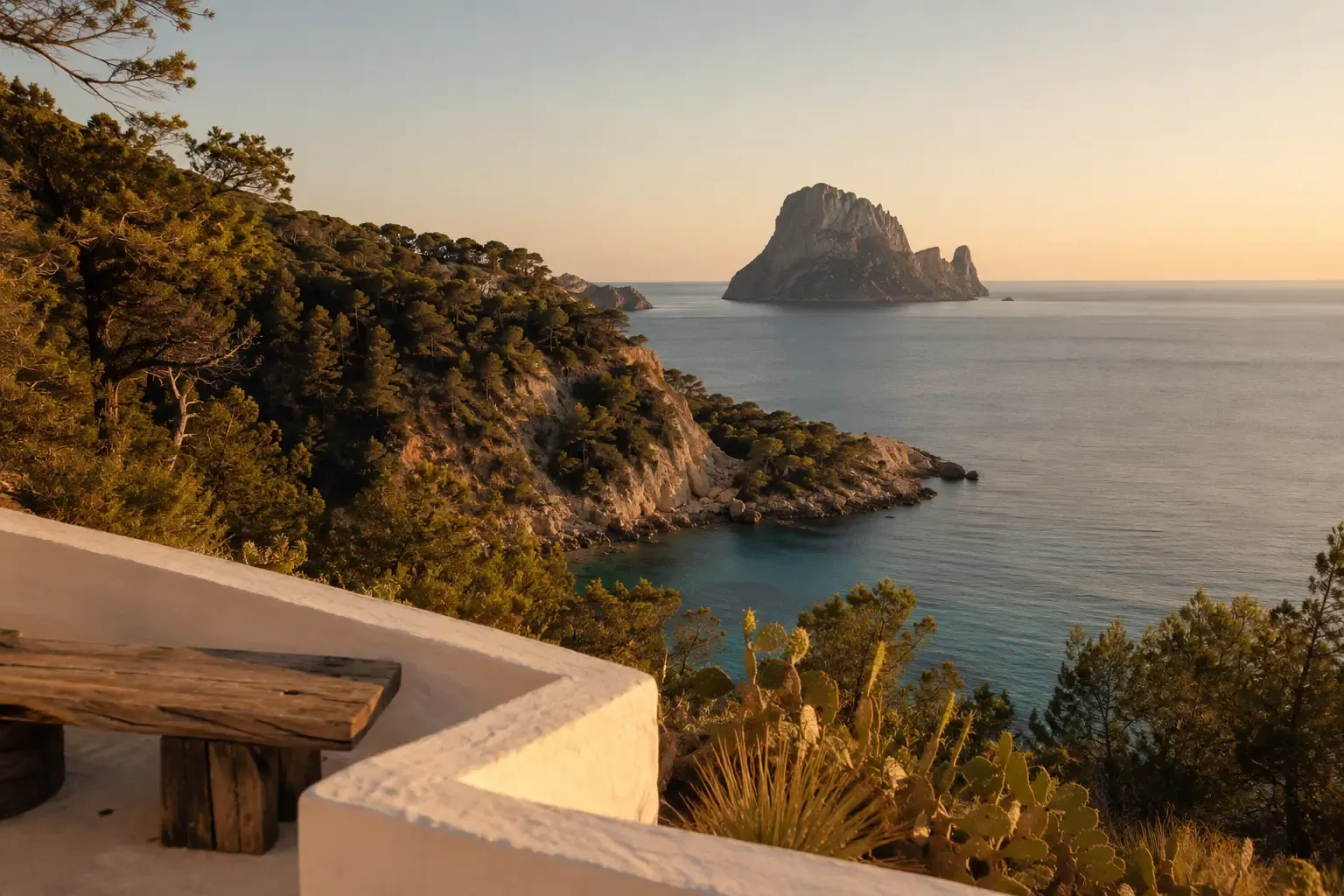
Ses Illetes is the iconic Formentera image: a thin strip of white sand stretching into shallow turquoise water, with views to the small uninhabited islets of S'Espalmador and Es Vedrà in the distance. It's regularly ranked among the top 10 beaches in the world by Travel + Leisure and TripAdvisor.
Go early — by 11am the sunbeds at Juan y Andrea, Es Ministre and Beso Beach are full and the parking is impossible. Park near the Estany Pudent natural park entrance and walk in. The eastern side of Ses Illetes (facing the Mediterranean) tends to have calmer water than the western side.
Cala Saona — the family-friendly favourite
Cala Saona is the wide, sandy bay on the west coast that families return to year after year. It's protected from the prevailing wind, the descent into the water is gentle, and the cliffs that frame the bay glow orange in the afternoon light.
The bay has two restaurants worth knowing: the historic Cala Saona Hotel terrace for an aperitif at sunset, and the more casual chiringuitos along the sand for the all-day option. Sunset here is one of the best on the island — the sun drops directly into the sea between the cliffs.
Migjorn — the long, quieter alternative
Platja de Migjorn is the longest beach on the island, running for 5 kilometres along the southern coast. Because of its size, it never feels crowded — even in August, you can walk for ten minutes and find your own stretch of sand.
Migjorn is divided into named sections: Es Còdol Foradat, Es Mal Pas, Es Arenals. Each has its own character, from rocky stretches with crystal pools to wide-open sand that's perfect for long walks. The chiringuitos along Migjorn — Lucky, Vogamarí, Blue Bar, Real Playa — are some of the most legendary on the island, especially Blue Bar at sunset for the techno-meets-Caribbean vibe that defines Formentera nights.
Es Pujols and the eastern coves
Es Pujols is the closest thing Formentera has to a resort town: the only place on the island with proper nightlife, a long sandy beach, and a marina with restaurants. It's the easiest place to base yourself if you want walkable infrastructure.
Cala En Baster
A small rocky cove on the northeast coast, popular with locals because it's almost never busy. The water here is some of the clearest on the island — and there are caves carved into the cliff that you can swim into.
Es Caló de Sant Agustí
A tiny fishing port turned beach, with the dark wooden boat ramps that have become a Formentera trademark. Limited sand but enormous charm — and one of the best calamari restaurants on the island in Pascual.
When to go and how to make it count
Formentera works best in the shoulder seasons. June and September give you the same weather as August with half the crowds and full availability at every restaurant. May and October are quieter still, with mild water for swimming and the quality of light that has made Formentera a magnet for photographers.
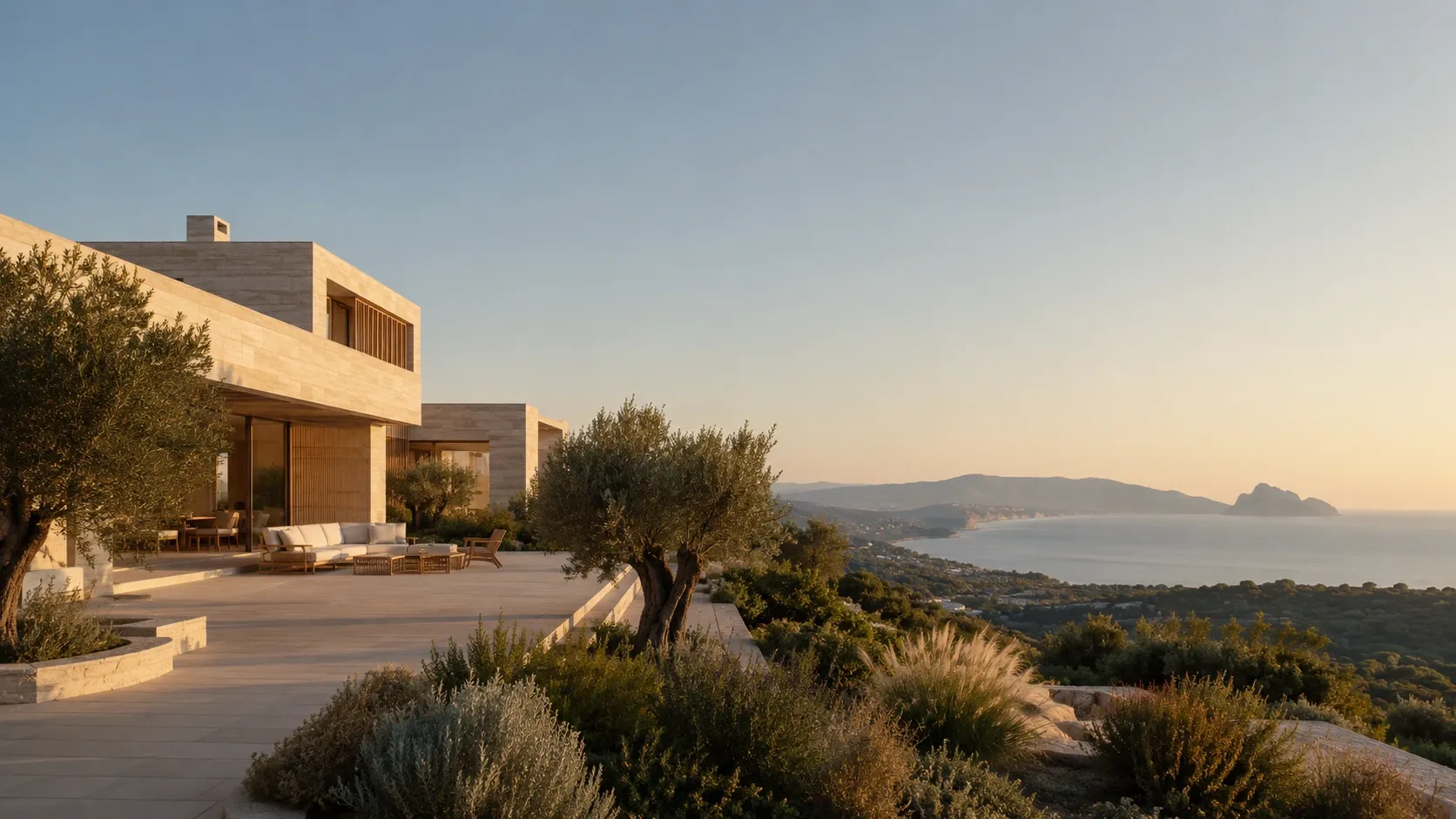
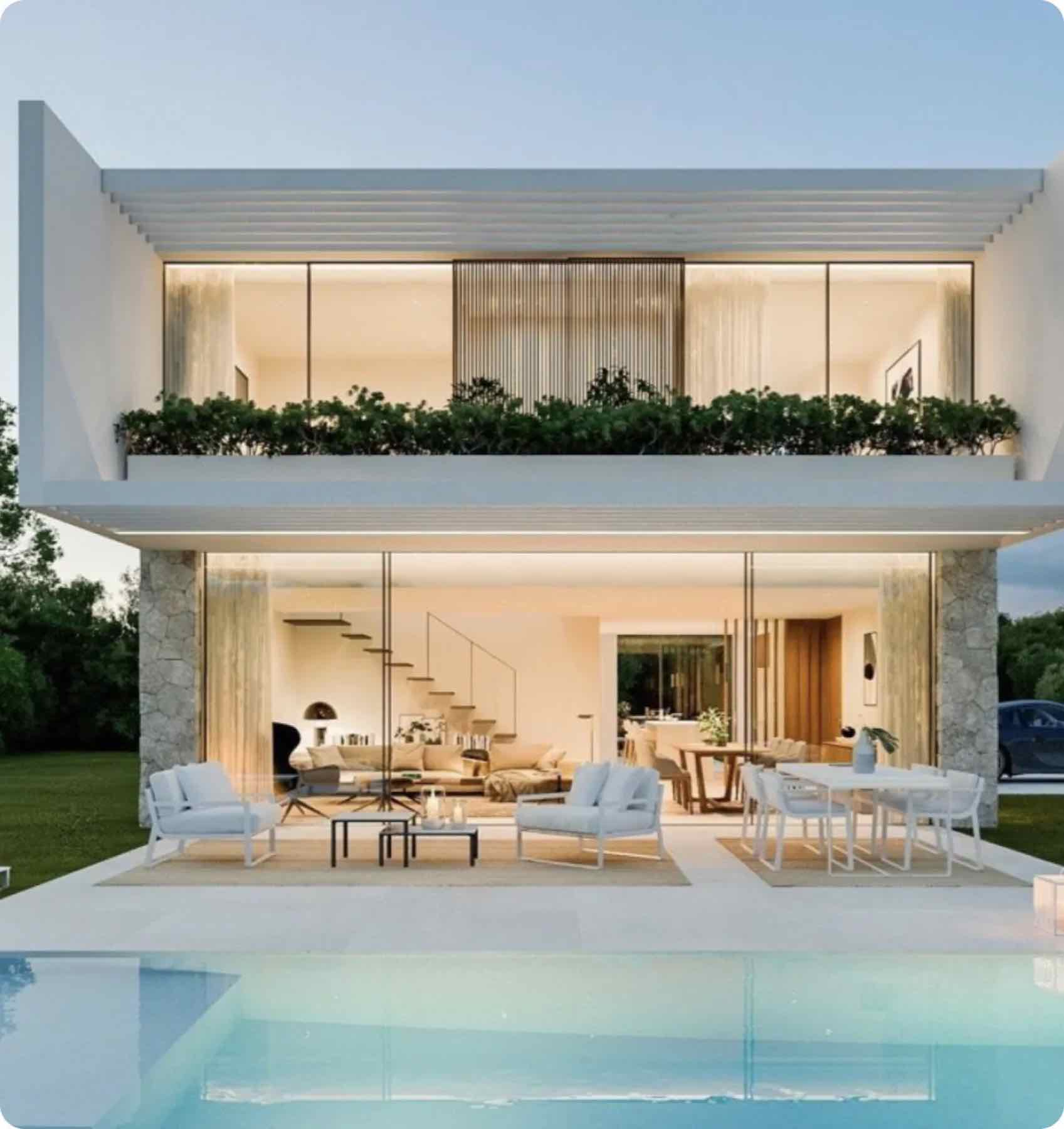
If a Formentera home is on your shortlist for the family's Mediterranean base, explore Vivla's homes on the island. The portfolio is small and curated — Formentera's planning regulations make new builds rare — but each home has been chosen with the kind of beach access and views that make the island unforgettable.
vivla co-ownership
Real ownership, a fraction of the cost
VIVLA offers managed co-ownership of luxury second homes across Spain — Mallorca, Ibiza, Menorca, Baqueira and many more. You own a registered share with a real title deed, not a use right, and VIVLA handles the purchase, the legal structure and year-round maintenance. It's the rational choice when you'll use the house a few weeks a year rather than the whole season.