 Explore blog articles

23 July 2026 – vivla
Menorca: Ibiza's Calmer, Greener Sister
If Ibiza is energy, Menorca is calm. A UNESCO Biosphere Reserve — greener, quieter, more family — with some of the least built-up coast in the Mediterranean, and entry prices that still make sense.

Two historic towns at each end. A rugged, windswept north. A softer, sandier south. Menorca is small enough to cross in under an hour and structured enough that choosing a zone really does choose a lifestyle. What follows: the areas by vibe, the nature and the food, what the property stock actually looks like, when to come, and how to own a share of it rather than the whole thing.
Key takeaways
- Calm over scene. Greener, quieter and more family-oriented than Ibiza, with Biosphere protection guarding the coast.
- Four distinct zones: Mahón for connections, Ciutadella for character, the south coast for beaches, the north coast for wildness.
- Gentler entry prices than Ibiza across the island, though prime coastal villas still command strong figures.
- Sharply seasonal. June to September is the window; much of the island turns inward in winter and flight routes thin out.
- Co-ownership from 150.000 € for a 1/8 titled share carrying six weeks a year (VIVLA listings, 20 August 2026).
TL;DR — Menorca for buyers in 60 seconds
The island divides east–west. Mahón holds the capital, the airport and year-round life around one of the world's great natural harbours. Ciutadella, at the far end, is the honey-stone old town where the evenings happen. The south coast has the white-sand coves and most of the coastal villa stock; the north coast is red earth, Tramuntana wind and near-empty beaches.
Stock runs from inland farmhouses to modern coastal villas and town apartments, at prices below Ibiza's across the board — a large part of why buyers look here at all. Best months are June to September, with direct flights into Mahón (MAH) concentrated in the warm half of the year. If honest usage is a few weeks a year, co-ownership is the arithmetic that works: VIVLA shares on the island run 150.000 € to 190.000 € for one eighth of a real, titled home (VIVLA listings, 20 August 2026).
Map & highlights
Roughly 50 km end to end, Mahón in the east and Ciutadella in the west. The Camí de Cavalls, an ancient bridle path, rings the entire coastline — about 185 km of waymarked trail linking one cove to the next. Nowhere on the island is more than 30–45 minutes from the airport.
Coastline: Natural Earth 1:10m (public domain). Place coordinates: WGS84. Zone names are descriptive, not administrative. VIVLA home locations from each listing page, 20 August 2026.
The main areas — vibe & highlights
Four zones cover almost every serious buying decision on the island.
Mahón (Maó)
The capital, wrapped around one of the world's great natural harbours — a long, deep inlet lined with restaurants and a working port, with Georgian traces left over from the island's British chapter. Close to the airport and the practical heart of Menorca: the sensible base for buyers who want good connections and year-round life rather than a summer-only bolthole.
Ciutadella
The historic, more romantic end: a honey-stone old quarter, a pretty port lined with restaurants, and the most atmospheric evenings on the island. For buyers who want culture and a sense of place, this is the emotional heart. It sits further from the airport than Mahón — most people decide the old town is worth the extra half hour.
The south coast
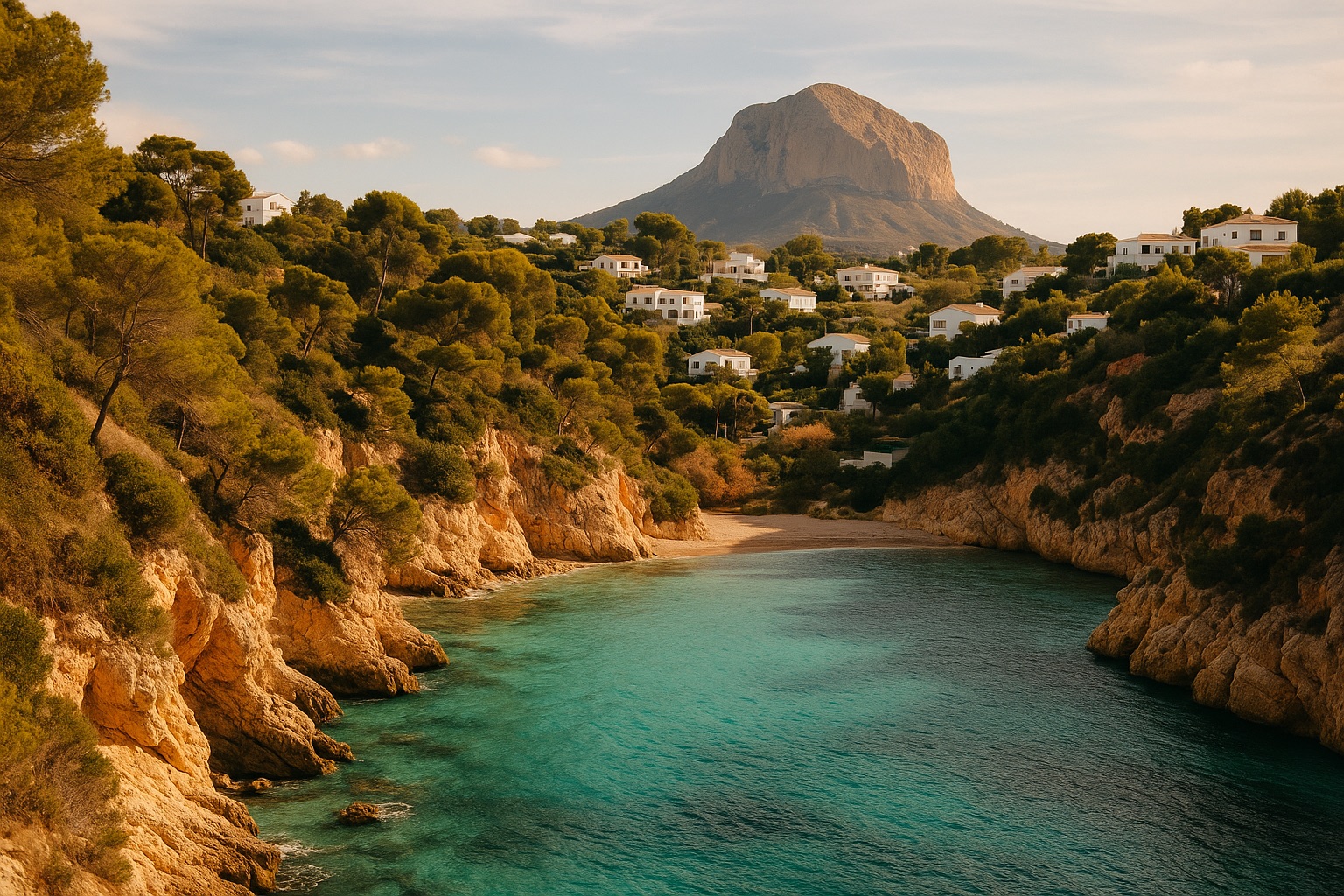
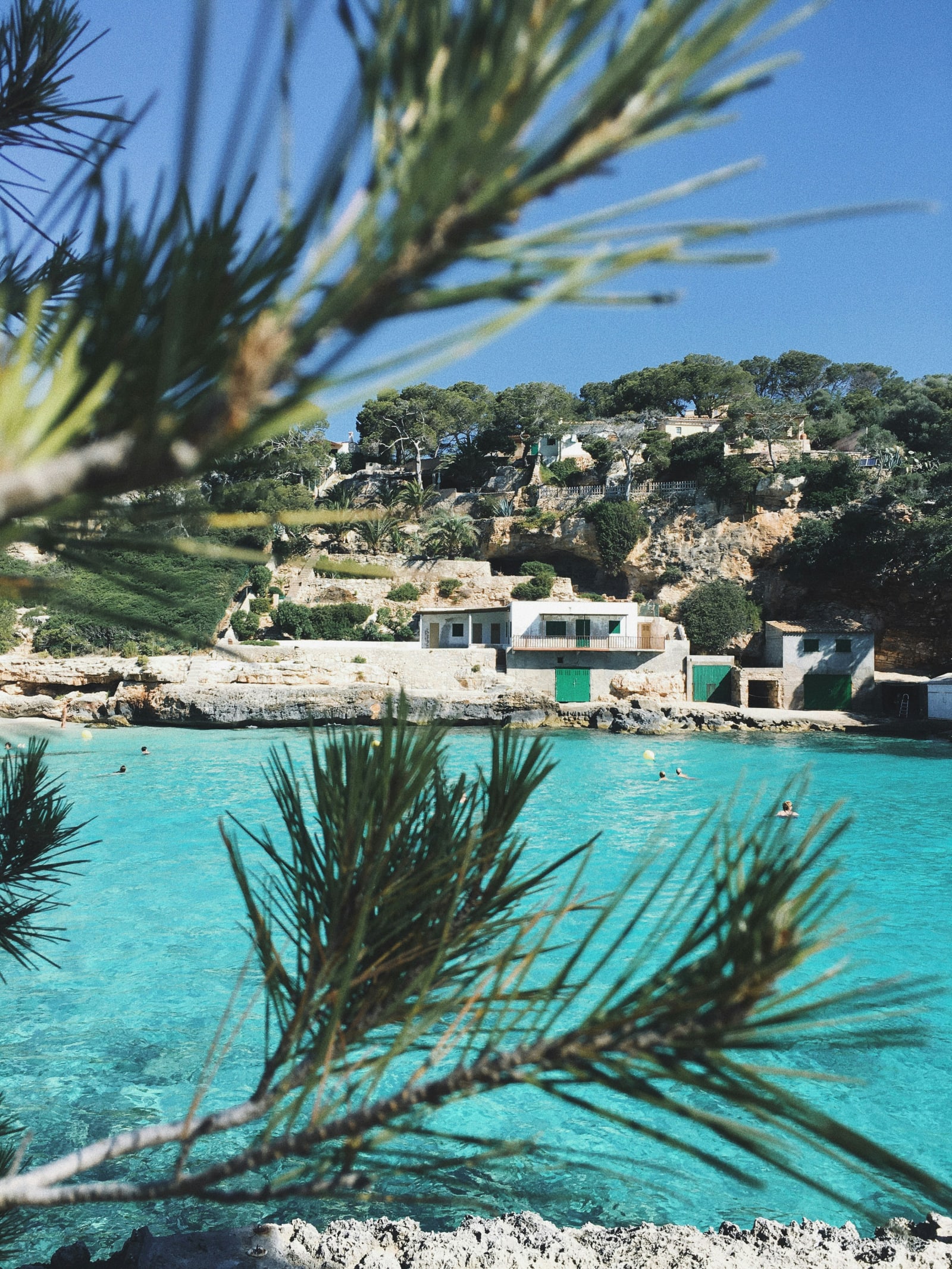
Softer landscapes and the famous white-sand coves — Macarella, Galdana, Turqueta — backed by pine woods and turquoise water. Most of the coastal villa and apartment stock sits here, and it is the most family-friendly stretch: more built infrastructure than the north, and a short walk or drive to a proper beach.
The north coast
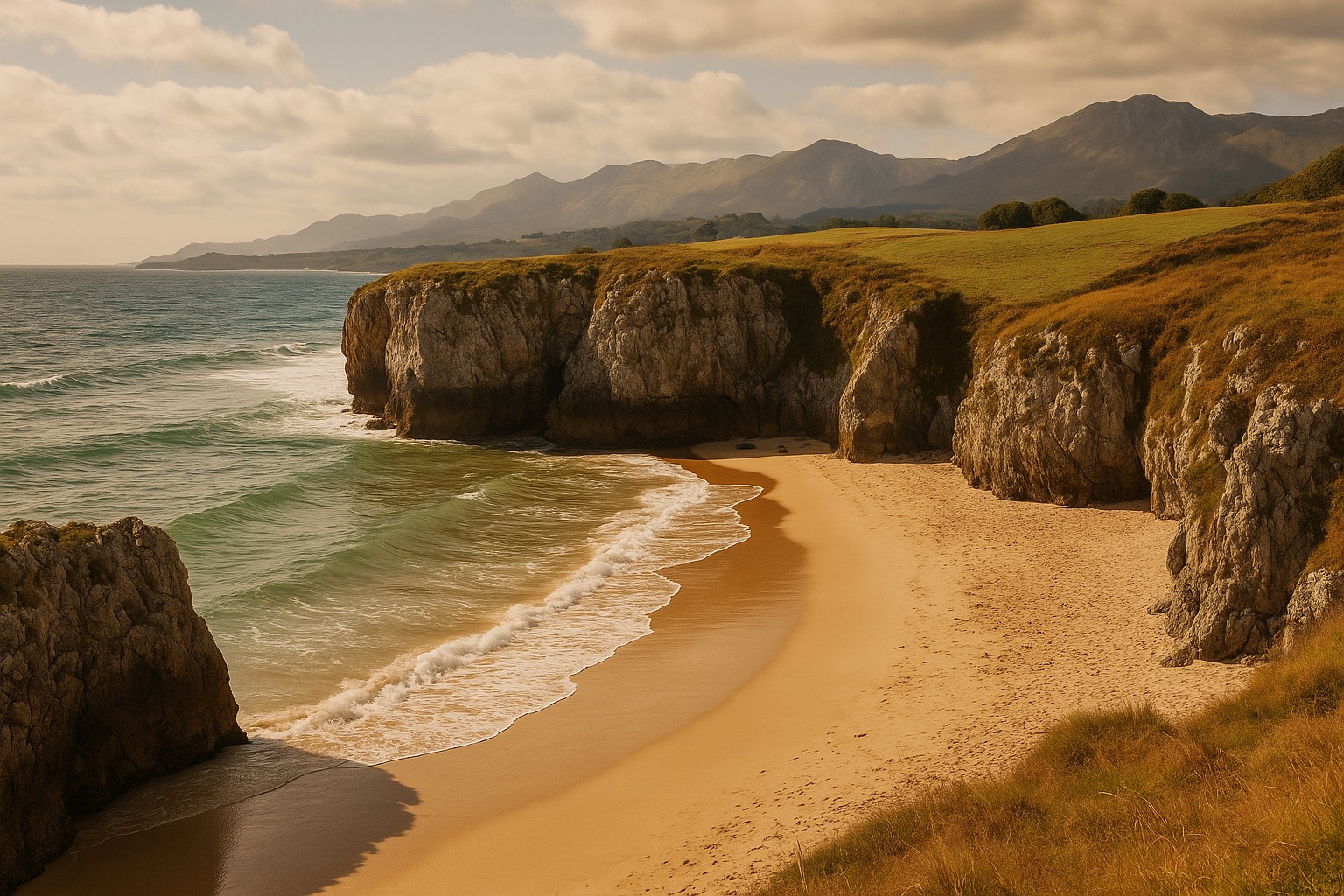
Wilder, rockier, far less developed — red-earth landscapes, strong Tramuntana wind, dramatic light. For buyers who want nature and space over polish, the north delivers a Menorca that feels genuinely remote. Properties trade a little convenience for seclusion, and the beaches, when you reach them, are the most striking on the island.
Culture, nature & dining
Menorca's identity is bound up with its landscape. The whole island is a UNESCO Biosphere Reserve, and the Camí de Cavalls lets you walk from cove to cove, section by section, without ever leaving the coast. There is deep history inland too, in the talayotic sites: prehistoric stone monuments unique to the island, scattered across the countryside and older than many of Europe's better-known ruins.
On the plate, Mahón cheese is the calling card — tangy, aged, protected by its own denomination — alongside a growing table of restaurants working with island produce and the daily catch. This is a place for slow days and long dinners rather than late nights, which is precisely the appeal for the people who fall for it.
What kind of property to expect
- Traditional farmhouses. Inland stone houses with thick walls and working land around them. The most characterful stock on the island, and the one where planning status and legalisation of extensions need checking before you commit.
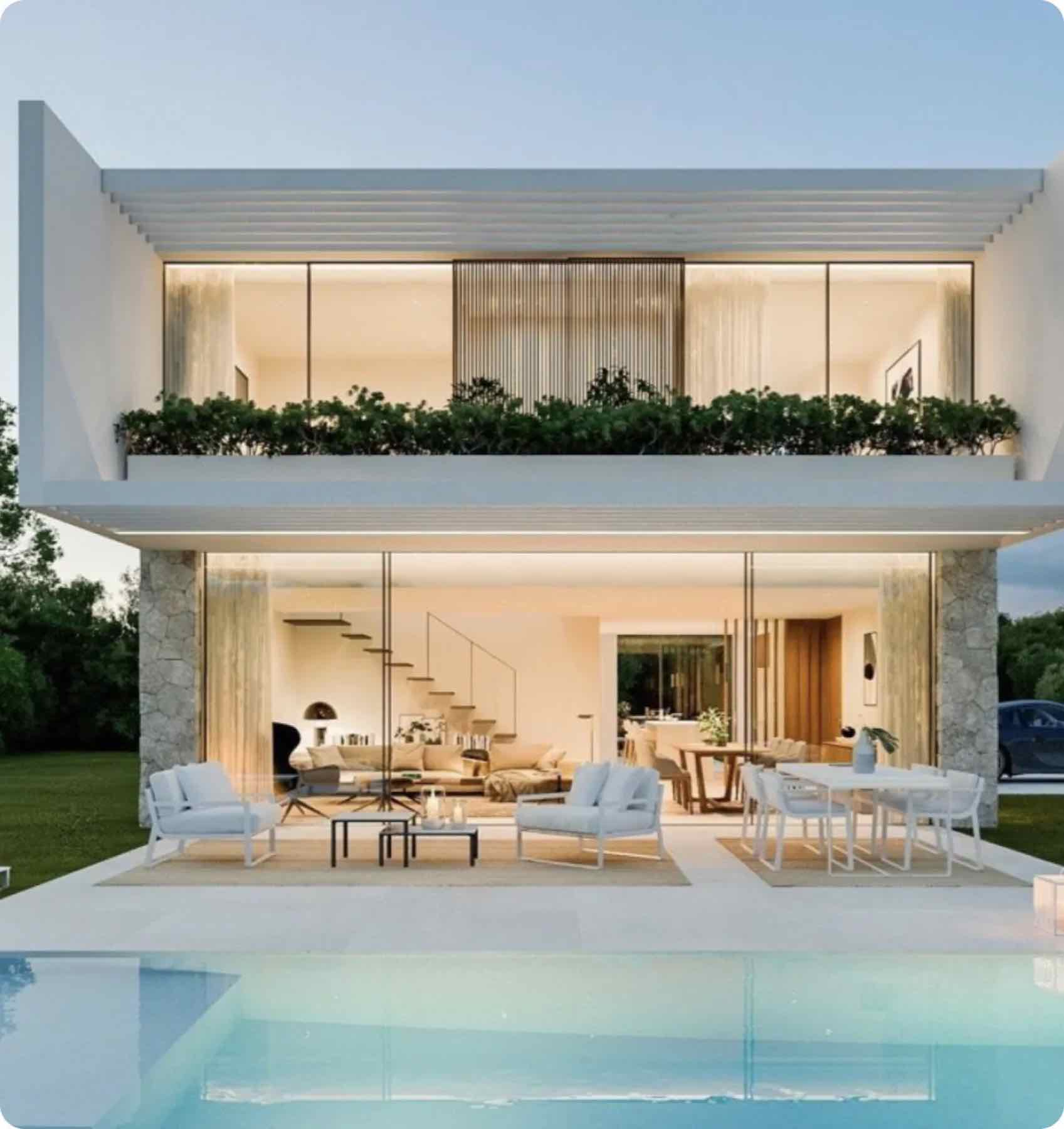
- Coastal villas. Concentrated near the southern coves and in the northern residential enclaves. Newer builds increasingly combine island materials with contemporary layouts and private pools.
- Town apartments. In and around Mahón and Ciutadella. The realistic entry point if the priority is walkable life and year-round services rather than a garden.
- Residential enclaves. Gated communities such as Sa Llosa Homes in Son Parc, in the north: 50 chalets of three and four bedrooms, built with island materials inside pine woods (VIVLA listing, 20 August 2026).
The market here is quieter and more affordable than Ibiza's, and that gap is a large part of why buyers look at Menorca at all. Prime coastal villas still command strong prices, but the entry point across the island is gentler — and the maths that pushes people towards co-ownership is the same everywhere: a second home used six weeks a year is expensive capital sitting idle for ten months.
Best time to go & getting there
Menorca is genuinely more seasonal than Ibiza or Mallorca. Mahón airport (MAH) sits beside the capital and nowhere on the island is more than 30–45 minutes away; direct flights connect to European and UK hubs mainly in the warmer months, with routes thinning noticeably in winter. Ferries to Mallorca and the mainland run alongside, and are the practical option if you are bringing a car.
VIVLA in Menorca
The island, co-owned.
Real homes with real title deeds, on the quietest coast in the Balearics. Every share is one eighth, carrying six weeks a year.

Shares shown are 1/8, each carrying 6 weeks a year. Prices as published on each home's page on 20 August 2026 and subject to change — check the listing for current availability.
Frequently asked questions
Is Menorca a good place to buy?
Yes — for calm, nature and value rather than scene. It is quieter and more affordable than Ibiza, and UNESCO Biosphere protection guards the coastline that makes it special. The trade-off is seasonality: the island slows down considerably between October and May, so it suits buyers whose usage is concentrated in the warm months, or who actively want a quiet winter base.
How much does a villa in Menorca cost?
Less than Ibiza overall, though prime coastal villas still run high. Co-ownership changes the entry ticket entirely: a 1/8 share of a VIVLA home on the island runs from 150.000 €, with Casa Coves in Coves Noves at 190.000 € (VIVLA listings, 20 August 2026).
Menorca or Ibiza?
Menorca for calm, nature and family life; Ibiza for energy, scene and glamour. Menorca is greener, less built and cheaper to enter; Ibiza has denser winter connectivity and a far bigger restaurant and nightlife economy. Buyers who value quiet, and who will use the house with children, tend to prefer Menorca.
Are there direct flights to Menorca?
Yes, mainly in the warmer months, from a range of EU and UK hubs into Mahón airport (MAH). Winter routes are limited, reflecting the island's seasonality — plan off-season trips around a connection through Madrid, Barcelona or Palma. Ferries to Mallorca and the mainland run alongside.
Can I co-own a home in Menorca?
Yes. VIVLA structures each property as its own Spanish company, with Tier 1 firm in Spain as legal partner, divided into eight shares. What you acquire is a titled 1/8 share and the six weeks a year attached to it — not a timeshare and not a use licence. Purchase, legal structure, maintenance and scheduling are handled for you, and shares can be resold without a new deed. Current homes on the Menorca page.
This guide is general information about the Menorca property market and the VIVLA co-ownership model. It is not legal, tax or investment advice. Prices, flight schedules and availability carry the date of the source cited and change over time. Before acquiring any property or share, take independent legal and tax advice for your own circumstances and jurisdiction of residence.
vivla co-ownership
Real ownership, a fraction of the cost
VIVLA offers managed co-ownership of luxury second homes across Spain — Mallorca, Ibiza, Menorca, Baqueira and many more. You own a registered share with a real title deed, not a use right, and VIVLA handles the purchase, the legal structure and year-round maintenance. It's the rational choice when you'll use the house a few weeks a year rather than the whole season.