 Explore blog articles

experiences · 15 August 2023 – vivla
Water activities on the Costa Brava
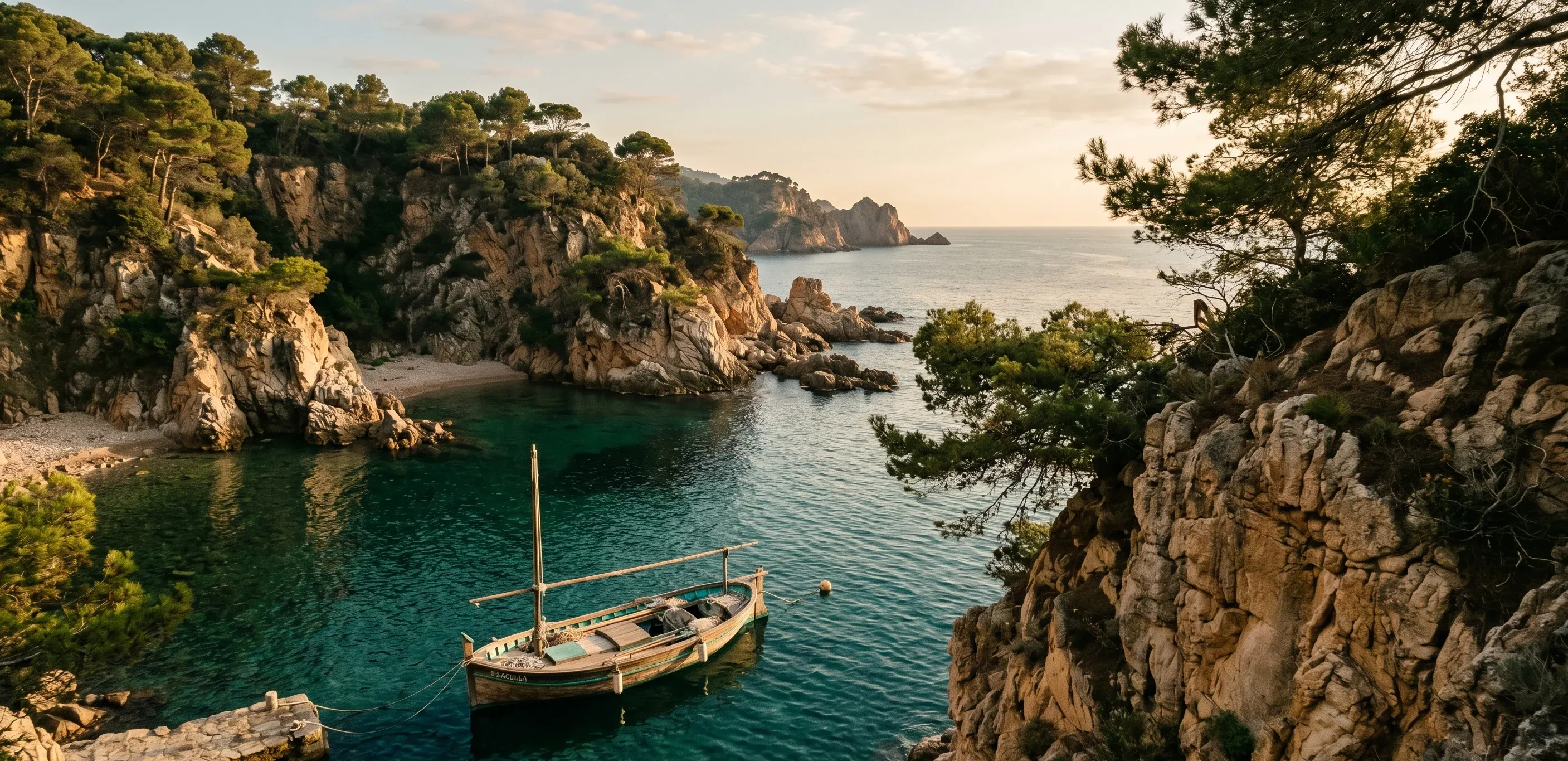
The Costa Brava — "the wild coast" — earned its name for a reason. The Catalan coastline north of Barcelona is a chain of rocky coves, hidden caves, pine-covered headlands and turquoise inlets that look more like the Greek islands than the rest of mainland Spain. Most of the best beaches are tiny, walking-only or boat-only, which is exactly what makes them special.
If you're planning a stay on the Costa Brava — or considering a second home there — the water-based experiences below are the ones that justify the trip. None of them require professional skill, and most of them are family-friendly.
1. Snorkelling and scuba diving — the Medes Islands
The Medes Islands, a small archipelago off the coast of L'Estartit, are one of the best diving destinations in the Mediterranean. The waters around the islands are a marine reserve since 1990, and the underwater life — groupers, octopus, moray eels, schools of barracuda — is far more abundant than anywhere else along the Spanish coast.
For non-divers, snorkelling tours leave from L'Estartit several times a day in summer, and you can see a lot just by floating on the surface above the protected reef. For certified divers, dive shops in L'Estartit and L'Escala offer guided trips to the best wall dives and caves.
2. Sea kayaking — the hidden coves of Cap de Creus
Cap de Creus is the easternmost point of the Iberian peninsula and one of the most surreal landscapes on the Mediterranean — twisted volcanic rock, deep caves, and dozens of secret coves only accessible from the sea. Sea kayaking from Cadaqués or El Port de la Selva takes you into the parts of the coast that no road can reach.
Half-day rentals are easy and beginner-friendly. The classic route is from Cadaqués around to Cala Jugadora — about 4 hours of paddling with multiple stops at hidden beaches. Bring a snorkel mask: the water clarity inside the coves is exceptional.
3. Sailing the Costa Brava — Begur, Palamós, Sant Feliu
The classic Costa Brava experience is renting a small boat for a day and following the coast from cove to cove. You don't need a sailing licence for most rental boats up to 6 metres — the marinas at Begur (Aiguablava), Palamós and Sant Feliu de Guíxols all have day-rental options.
The route from Aiguablava south takes you past Cala Sa Tuna, Aiguafreda, Sa Riera and the famous islands of the Illes Medes. From Palamós, head north to Cala Castell and Cala Estreta — accessible only from the water and arguably the most beautiful coves on the entire coast.
4. Stand-up paddleboarding and inflatable boats
For a quieter, slower way to explore, stand-up paddleboarding (SUP) on the calm summer mornings is one of the most pleasant ways to start a Costa Brava day. Most beaches with rental kiosks (Cala Montó, Llafranc, Tamariu) offer SUP boards by the hour.
For families with younger kids, the small inflatable boats with electric motors (no licence required, available from rental kiosks at most marinas) let you reach quiet coves with picnic gear, snorkelling kit and an ice box. A perfect family day on the water.
Why the Costa Brava rewards owning over visiting
The Costa Brava is one of those places where staying twice changes everything: on the second visit, you know which cove the wind doesn't reach, which restaurant has the best calçots, which marina rents the best boat. By the third or fourth visit, the coast feels like home.
That's exactly the case where a second home on the Costa Brava starts to make sense — and exactly the case where Vivla's fractional model fits naturally. Explore Vivla's homes on the Costa Brava if you want to make this coast a recurring part of your life rather than an occasional escape.
vivla co-ownership
Real ownership, a fraction of the cost
VIVLA offers managed co-ownership of luxury second homes across Spain — Mallorca, Ibiza, Menorca, Baqueira and many more. You own a registered share with a real title deed, not a use right, and VIVLA handles the purchase, the legal structure and year-round maintenance. It's the rational choice when you'll use the house a few weeks a year rather than the whole season.