 Explore blog articles

destinos · 5 September 2023 – vivla
Reasons to buy a house in Menorca
For decades, Menorca has lived in the shadow of its more famous siblings: Mallorca's size and Ibiza's reputation. That has been Menorca's good fortune. The island has stayed quiet, traditional, protected — and that's exactly why a growing number of well-informed second-home buyers are choosing it over the rest of the archipelago.
This article walks through the reasons Menorca makes sense as a second-home destination — beyond the obvious beauty.
1. UNESCO Biosphere Reserve protection — natural beauty preserved
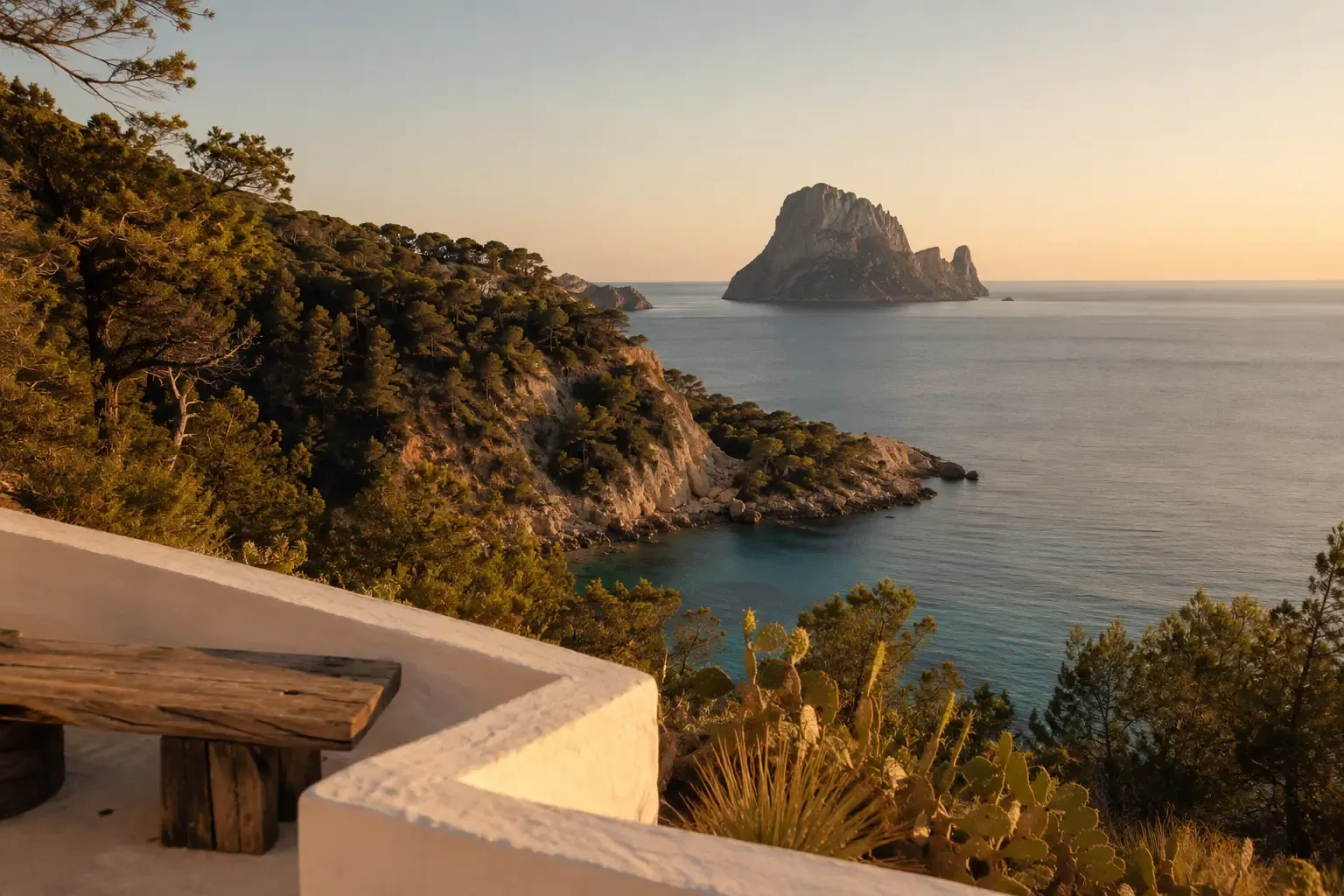
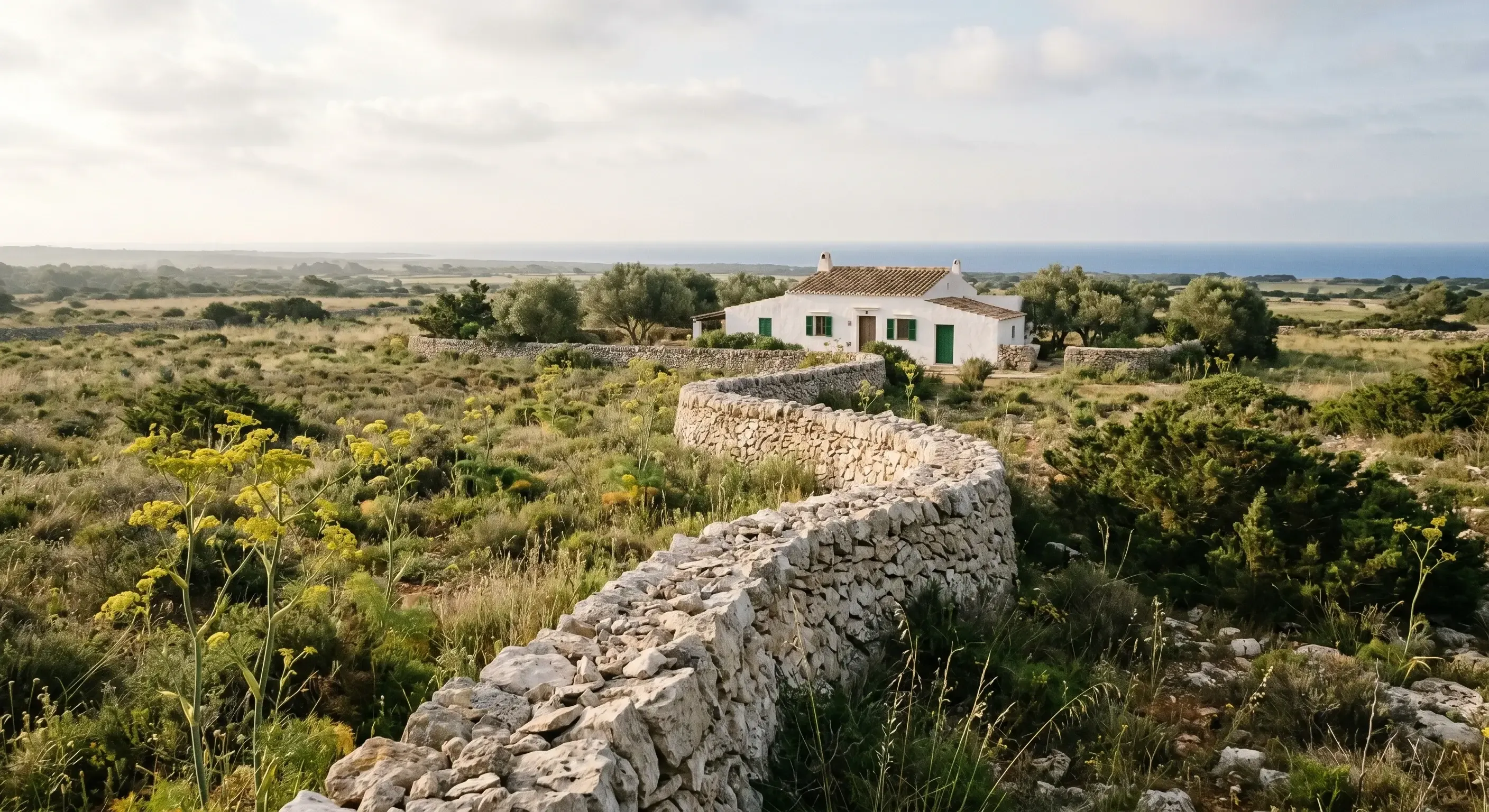
Menorca was declared a UNESCO Biosphere Reserve in 1993, and the protection has been real, not symbolic. Coastal building is severely restricted, large hotel developments are essentially impossible, and 40% of the island is protected natural area. The result is the cleanest Mediterranean coastline in the Balearics — pine forests running directly into the sea, beaches accessible only on foot, and a horizon largely untouched by buildings.
For a second-home buyer, this protection is what makes Menorca's beauty bankable. Unlike other Mediterranean destinations where overdevelopment has eroded the original appeal, Menorca's natural environment is locked in by law.
2. The beaches — the best in the Balearics, and it's not close
Cala Macarella, Cala Macarelleta, Cala Mitjana, Cala en Turqueta, Cala Pregonda. These names belong to a roster of beaches that, in any other part of Europe, would be world-famous. In Menorca, they're the second tier.
The water is cleaner than anywhere in Mallorca or Ibiza, the sand is whiter, and many of the best beaches require a 30-minute walk through pine forest to reach — which is why they remain quiet even in August. For families with young children, this is a gift: beaches without crowds, a calm sea, and a rhythm of life that's now rare on the Mediterranean.
3. Mahón and Ciutadella — two cities, two characters
Most Mediterranean islands are anchored around a single capital. Menorca has two, on opposite ends, with very different characters.
Mahón
The capital, on the eastern side. The harbour is the second-largest natural deep-water harbour in the world. The architecture is influenced by 18th-century British rule (Menorca was British for almost a century), giving Mahón a unique blend of Mediterranean and Georgian styles.
Ciutadella
The historic capital, on the western side. Older, more aristocratic, more Catalan. Sunset over the port, with the cathedral lit by the last light, is one of the most beautiful sights in the Balearics.
Owning a second home in Menorca means having both as backyards — two completely different evenings out, twenty minutes apart by car.
4. Talaiotic culture — 4,000 years of history
Menorca has more megalithic monuments per square kilometre than anywhere else in Europe. The talaiotic culture, which flourished here from 1300 BC to 100 BC, left taulas (T-shaped stone monuments), navetes (burial chambers shaped like upturned ships) and talaiots (watchtowers) scattered across the entire island.
UNESCO added Menorca's talaiotic sites to the World Heritage List in 2023, recognising what archaeologists have long known: this is one of Europe's most important prehistoric landscapes. For a second-home owner with curiosity, the island offers a depth of cultural exploration that goes far beyond the beach.
5. The island that ages well
Menorca's combination of preserved nature, manageable size (you can drive across it in 90 minutes), excellent food, low crime and tight-knit community has made it the Balearic that ages best for second-home owners. Ibiza burns bright in August and quiets afterward; Mallorca is huge and varied; Menorca is the steady, year-round option that families return to for decades.
If a Menorca home is on your radar, explore Vivla's portfolio in the island's most prized locations. From traditional fincas to modernist seaside villas, the homes are selected for owners who appreciate exactly what makes Menorca different.
vivla co-ownership
Real ownership, a fraction of the cost
VIVLA offers managed co-ownership of luxury second homes across Spain — Mallorca, Ibiza, Menorca, Baqueira and many more. You own a registered share with a real title deed, not a use right, and VIVLA handles the purchase, the legal structure and year-round maintenance. It's the rational choice when you'll use the house a few weeks a year rather than the whole season.